
 Español
 Portugues
 Pусский
 Français
 العربية
 ไทย
ไทย Türk dili
 Indonesia
 Tiếng Việt


solar cables
Solar cables are specialized electrical cables designed for use in photovoltaic (PV) power systems. They connect solar panels to inverters, combiner boxes, junction boxes, and ultimately to the electrical grid or storage batteries. Because they operate outdoors and often in harsh conditions for 20–30 years, they must meet strict requirements for safety, durability, and performance.A key feature of solar cables is their insulation and sheathing. They are typically made with cross‑linked polyethylene (XLPE) or similar materials that offer excellent resistance to ultraviolet radiation, ozone, moisture, and wide temperature fluctuations. This ensures the cables do not crack, become brittle, or degrade when exposed to sunlight and weather over long periods. The insulation is also designed to withstand high DC voltages commonly used in PV arrays.Another important characteristic is flexibility. Solar installations, especially rooftop systems, often involve routing cables around corners, along mounting structures, and through confined spaces. Flexible, fine‑stranded conductors, usually made of tinned copper, help simplify installation and reduce mechanical stress. Tin coating on the copper strands provides extra protection against corrosion, which is critical in humid, coastal, or industrial environments.Electrical performance requirements are also strict. Solar cables must handle continuous current at elevated temperatures without excessive heating or power loss. They are usually rated for operating temperatures up to 90°C or higher, with short‑circuit temperature limits around 120–200°C, depending on the design and standards. Low resistance and stable dielectric properties help maintain efficiency and safety over the system’s lifetime.Fire performance is another important aspect. In many regions, solar cables must be flame‑retardant, produce low smoke, and be halogen‑free to minimize toxic emissions in the event of a fire. This is especially relevant for building‑integrated systems or installations in public and residential areas.Standards and certifications play a central role in the selection of solar cables. International standards define mechanical, electrical, and environmental test requirements, including resistance to abrasion, impact, and chemical exposure. Installers are advised to choose cables that explicitly comply with relevant PV cable standards, ensuring compatibility with system voltages and local electrical codes.Proper sizing and routing of solar cables are essential for system reliability and energy yield. Undersized cables can lead to excessive voltage drop and energy loss, while poor routing can increase mechanical wear or create safety hazards. Using high‑quality, UV‑resistant cable ties, clips, and conduits helps maintain secure, tidy, and long‑lasting cable runs.In summary, solar cables are a critical component of any photovoltaic installation. Their specialized construction, weather resistance, electrical robustness, and compliance with safety standards ensure that solar power systems operate efficiently and reliably throughout their intended service life.
Products
Category:
-
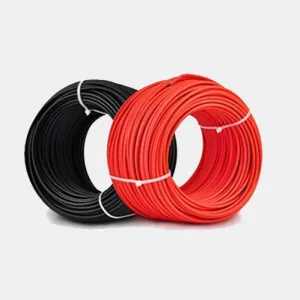
High efficiency solar cables
Category: Solar CableBrowse number: 342Number:Release time: 2025-02-18 10:24:17High efficiency solar cables are specially designed to maximize energy transfer in photovoltaic systems. Featuring superior conductivity, UV resistance, and flame-retardant insulation, these cables ensure minimal power loss and long-term durability in harsh outdoor environments. Ideal for residential, commercial, and utility-scale solar installations, high efficiency solar cables meet international standards for safety and performance.
News
Category:
No search results found!
Case
Category:
No search results found!
Video
Category:
No search results found!
Download
Category:
No search results found!
Job
Category:
No search results found!
Featured Products
No search results found!



 Phone
Phone E-mail