
 Español
 Portugues
 Pусский
 Français
 العربية
 ไทย
ไทย Türk dili
 Indonesia
 Tiếng Việt


flex cable
A flex cable, also known as a flexible flat cable (FFC) or flexible printed circuit (FPC), is a type of electrical cable designed to bend, twist, and fold while maintaining reliable signal transmission. It is widely used in modern electronic devices where space is limited and components need to be connected across moving or compact structures.A typical flex cable is made from a thin, flexible insulating film, such as polyimide or polyester, onto which copper conductors are laminated or etched. These copper traces form the circuits that carry power and data between components. The flexibility of the substrate allows the cable to bend repeatedly without breaking, which is essential in applications with moving parts such as folding screens, hinges, and sliding mechanisms.One of the main advantages of flex cables is their ability to save space and reduce weight compared to traditional round cables or rigid printed circuit boards. Because they are thin and flat, they can be routed through tight spaces, wrapped around components, or layered to create highly compact assemblies. This enables engineers to design smaller and lighter products without sacrificing functionality or reliability.Flex cables also improve system reliability by reducing the number of separate wires and connectors. Instead of multiple individual cables, a single flex cable can integrate many signal lines in a controlled and organized layout. This reduces the risk of loose connections, wiring errors, and electromagnetic interference. The geometry of the traces can be carefully designed to match impedance requirements, support high‑speed data transmission, and minimize signal loss.There are several types of flex cables. Single‑sided flex cables have conductors only on one side of the film and are used for simple interconnections. Double‑sided and multilayer flex cables incorporate conductors on multiple layers, connected through plated vias, to handle more complex circuits and higher pin counts. In some designs, flex and rigid sections are combined to create rigid‑flex assemblies, which offer both mechanical stability and flexible routing in a single integrated structure.Manufacturing a flex cable involves processes such as copper cladding, photolithography, etching, drilling, plating, and lamination. Surface finishes like ENIG (electroless nickel immersion gold) or tin are often applied to enhance solderability and prevent oxidation at contact pads and connectors. Stiffeners made from materials like FR‑4 or stainless steel may be added locally to reinforce connector areas and improve mechanical strength.Flex cables are found in smartphones, tablets, laptops, cameras, medical devices, automotive systems, industrial equipment, and many other electronic products. They connect displays, touch panels, sensors, batteries, motors, and control boards. Their combination of flexibility, durability, and high wiring density makes them an essential solution for modern compact and portable electronics.
Products
Category:
-
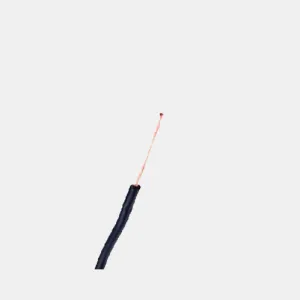
CU/PVC H05V-K Single Core Flex Cable
Category: Building wireBrowse number: 341Number:Release time: 2025-02-19 02:26:35The CU/PVC H05V-K Single Core Flex Cable is a high-quality, flexible wire designed for internal wiring in control panels, appliances, and conduit systems. Featuring a fine-stranded copper conductor and durable PVC insulation, this single core cable is rated for 300/500V and complies with harmonized standards. It offers excellent conductivity, easy installation, and flame-retardant performance, making it ideal for use in dry indoor environments across residential, commercial, and industrial applications.
News
Category:
No search results found!
Case
Category:
No search results found!
Video
Category:
No search results found!
Download
Category:
No search results found!
Job
Category:
No search results found!
Featured Products
No search results found!



 Phone
Phone E-mail