
 Español
 Portugues
 Pусский
 Français
 العربية
 ไทย
ไทย Türk dili
 Indonesia
 Tiếng Việt


DC cable
A DC cable is an electrical cable designed specifically for the transmission of direct current. Unlike alternating current, which reverses direction periodically, direct current flows consistently in one direction. This characteristic affects how the cable is constructed, insulated, and applied in various systems.The basic structure of a DC cable includes a conductor, insulation, and often one or more protective layers. The conductor is typically made of copper or aluminum due to their high electrical conductivity and mechanical strength. Copper is commonly chosen for applications requiring higher current capacity in a smaller cross‑section, while aluminum may be selected where weight reduction and cost efficiency are important.Insulation materials must provide reliable performance under constant voltage stress. Common materials include PVC, XLPE (cross-linked polyethylene), and other thermoplastic or thermosetting compounds. These materials are selected for their dielectric strength, thermal stability, and resistance to environmental influences such as moisture, chemicals, and UV radiation. For higher voltage DC cables, the insulation system may be more complex, with multiple layers to manage electric fields and minimize partial discharges.In addition to insulation, DC cables often include shielding and protective sheathing. Metallic shields, such as copper tape or wire braid, can be used to control electromagnetic interference, provide a path for fault currents, and improve overall system safety. Outer sheaths made from robust polymers protect the cable from mechanical damage, abrasion, and environmental exposure. In harsh environments, additional armoring with steel wire or tape can be applied to enhance mechanical protection.DC cables are widely used in many applications. In renewable energy systems, they connect solar panels to inverters, link battery storage units, and distribute power within low‑voltage DC networks. In electric vehicles, DC cables are critical for battery connections, power distribution between major components, and charging systems. High‑voltage direct current (HVDC) cables play a key role in long‑distance power transmission, especially for submarine and underground links, where they reduce transmission losses and allow efficient interconnection of distant grids.When designing or selecting a DC cable, several parameters must be considered. Current-carrying capacity depends on conductor size, material, and installation conditions, including ambient temperature and bundling with other cables. Voltage rating is determined by the insulation system and required safety margins. Other important factors include permissible voltage drop, short‑circuit withstand capability, fire performance, and compliance with relevant international standards.Proper installation and maintenance are also essential. Bending radius, pulling tension, and termination methods must follow manufacturer and standard guidelines to prevent damage to conductors and insulation. Regular inspection helps detect mechanical wear, thermal issues, or insulation degradation. By combining appropriate materials, robust construction, and correct application, DC cables provide reliable and efficient power transmission in both low‑voltage and high‑voltage systems.
Products
Category:
-
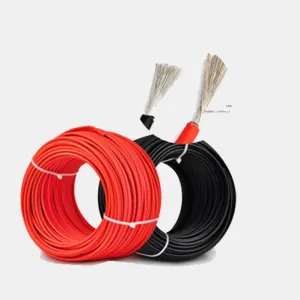
DC Solar Cable Price
Category: Solar CableBrowse number: 395Number:Release time: 2025-02-18 10:27:09DC Solar Cable is a durable, high-performance wire designed for efficient direct current (DC) transmission in photovoltaic systems. Engineered with UV-resistant, flame-retardant insulation and high-conductivity copper, it ensures safe and reliable energy flow from solar panels to inverters and batteries. Ideal for residential, commercial, and utility-scale solar installations, this cable meets international standards for outdoor and long-term use. -
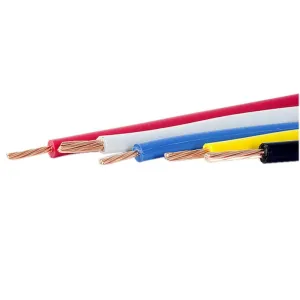
2.5mm 4mm 6mm 8mm 10mm 16mm 25mm 35mm Tinned Copper Conductor Crosslinked Polyethylene XLPE Photovoltaic Solar DC Cable
Category: Building wireBrowse number: 325Number:Release time: 2025-08-07 08:08:47Tinned Copper Conductor Crosslinked Polyethylene (XLPE) Photovoltaic Solar DC Cable (2.5mm-35mm)(English Part) This photovoltaic solar DC cable, available in 2.5mm, 4mm, 6mm, 8mm, 10mm, 16mm, 25mm, and 35mm, features a tinned copper conductor and crosslinked polyethylene (XLPE) insulation, designed for efficient and reliable power transmission in solar energy systems. The tinned copper conductor enhances corrosion resistance and conductivity, ensuring stable performance even in harsh outdoor environments exposed to moisture, UV radiation, and temperature fluctuations. XLPE insulation provides superior thermal resistance, allowing the cable to withstand high temperatures generated during DC power transmission, while also offering excellent electrical insulation and mechanical strength. This combination makes it ideal for connecting solar panels, inverters, and junction boxes in both residential and large-scale commercial photovoltaic installations. With a range of cross-sectional sizes, the cable caters to varying current demands, from small rooftop systems to utility-scale solar farms. Compliant with industry standards for solar applications, it ensures minimal energy loss and long-term durability, making it a trusted choice for engineers and installers seeking high-performance solutions for solar DC wiring.
News
Category:
No search results found!
Case
Category:
No search results found!
Video
Category:
No search results found!
Download
Category:
No search results found!
Job
Category:
No search results found!
Featured Products
No search results found!



 Phone
Phone E-mail